
Red Sea and Suez: where Far East services stand and what it means for shippers
Carriers are gradually returning to Suez, but the picture is not back to normal. Here is the October 2026 status, its effect on transit times and how to plan around it.
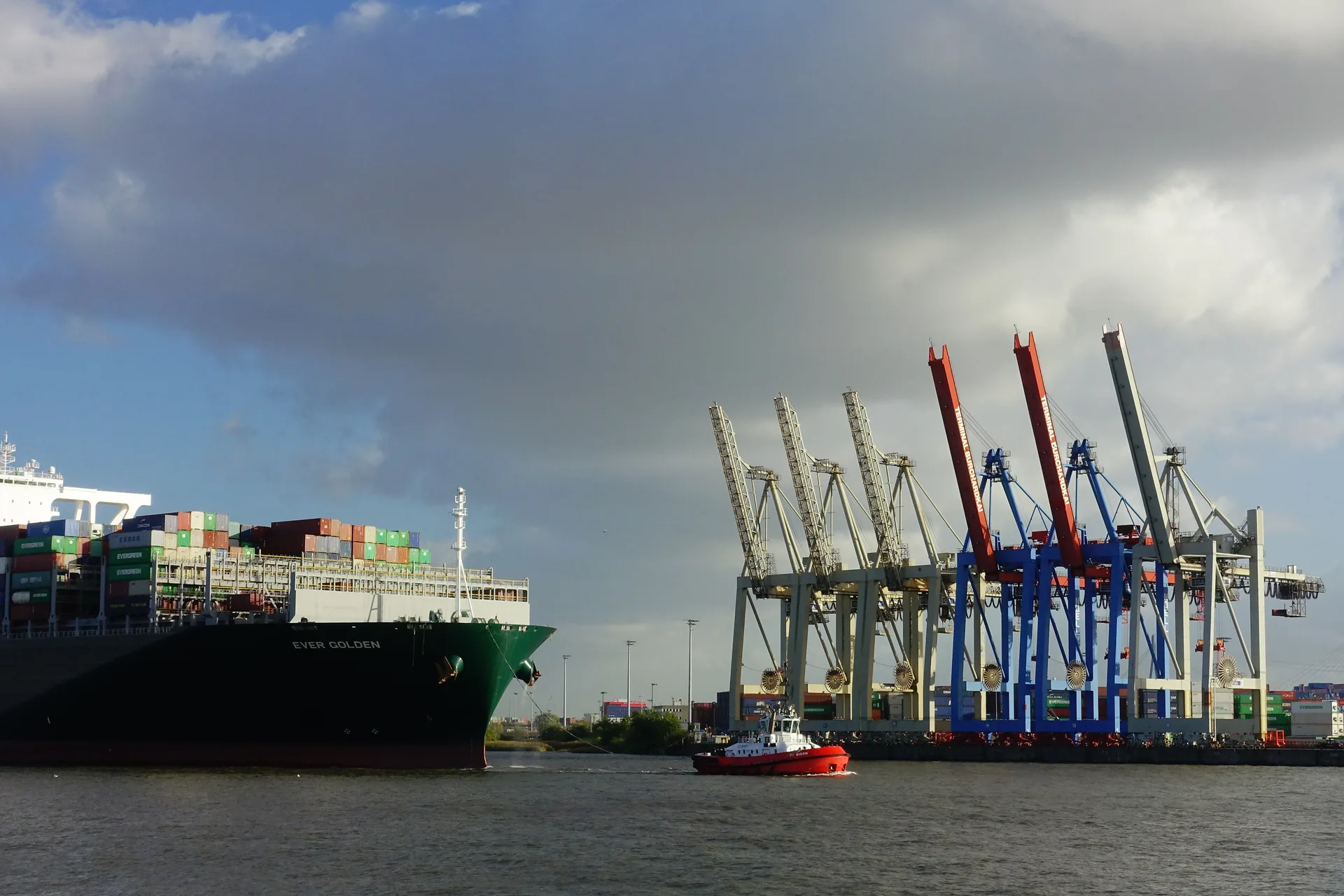
The Red Sea and the Suez Canal have been the defining story in Asia–Europe shipping since late 2023. For a long time most container services sailed around Africa via the Cape of Good Hope, stretching transit times and making freight rates volatile. This article explains where things stand as of October 2026, what it means for companies shipping to and from Turkey, and the practical steps that make planning easier.
Red Sea update: a gradual return to Suez
When attacks on merchant ships began off Yemen and around the Bab el-Mandeb Strait in late 2023, most container lines pulled out of the Red Sea and diverted Asia–Europe sailings around the Cape.
In 2026 the picture began to shift. In September 2026, Maersk and Hapag-Lloyd moved four more of their Gemini Cooperation services from the Cape back to the Suez Canal, adding to the services already using that route. According to industry reports, other major carriers such as MSC, CMA CGM and COSCO have also resumed Suez transits on some sailings.
Still, it is too early to call this a return to normal. Data from maritime analysts Sea-Intelligence put Suez container traffic in September 2026 at roughly a quarter of pre-crisis levels. Carriers are also clear that the move depends on continued stability in the region; any new escalation could change routings again.
In short (as of October 2026): the return to Suez has started, but it is partial and conditional. Two services leaving the same port may be using two different routes.
The Cape of Good Hope route and transit times
Routing via the Cape typically adds more than ten days to an Asia–Europe voyage, depending on the service. There is an important detail for Turkey: for cargo bound for Eastern Mediterranean ports such as Mersin, Ambarlı or Izmir, the detour is proportionally even longer, because after rounding Africa the ship has to enter the Mediterranean at Gibraltar and then sail all the way east.
On services that have switched back to Suez, a few effects show up together:
- Shorter transit times: On the same service, the Suez routing is significantly faster than the Cape.
- Disruption during the transition: Re-routed ships can arrive earlier than planned, which may cause temporary congestion at some ports and frequent changes to estimated arrival dates.
- Differences by service: Always ask which route your booked service uses. Different loops from the same carrier may follow different paths.
The freight rate impact: capacity is coming back
Sailing via the Cape needs more ships to maintain the same weekly frequency. During the crisis a large share of global capacity was absorbed by these longer voyages, which pushed rates up.
As services return to Suez, those ships are released and effective capacity on Asia–Europe grows. Drewry’s late-September 2026 commentary noted that rising Suez transits were adding effective capacity to the trade. In theory, that means downward pressure on rates. In practice, carriers are managing supply with blank sailings, and war-risk insurance and surcharges have not disappeared, so the direction of rates can change from week to week.
If you want to understand why rates move so much, our separate article covers supply and demand, seasonality and surcharges in more detail.
Planning tips for exporters and importers
When uncertainty persists, flexible and early planning is your best defence. When booking ocean freight on Far East routes, these steps help:
- Get the service and routing in writing. At the quotation stage, confirm whether the service goes via Suez or the Cape, and the expected transit time.
- Build in a buffer. For time-critical orders, such as seasonal goods or parts feeding a production line, add a few days of safety margin so a re-routing does not break your plan.
- Watch quote validity. In volatile markets, quotes are valid for short periods. Check whether surcharges (fuel, war risk, peak season) are included.
- Split critical cargo. Sending urgent parts by air freight and the main volume by sea spreads the risk.
- Review your insurance. On long or higher-risk routes, check what your cargo insurance policy covers, including whether war and strike risks are included.
- Compare loading ports. In China, comparing service options from different ports of loading can turn up a better-fitting service.
What to watch on Turkey–Far East routes
Several indicators will shape your planning in the coming months:
- Carrier advisories: Routing announcements from the major lines are the fastest signal of transit time changes.
- Security in the region: Any new development around the Red Sea and Bab el-Mandeb can shift routings within days.
- Freight indices: Weekly indices such as the Drewry WCI and the SCFI are useful for reading the direction of the market.
- Holidays in China: Golden Week in early October and Chinese New Year in February 2027 affect both loading schedules and rates.
Frequently asked questions
Have carriers fully returned to the Suez Canal?
No. As of October 2026 the return is partial and gradual. Some services use Suez while others still sail via the Cape, and carriers say their decisions depend on regional stability.
Will the return to Suez bring rates down immediately?
More capacity creates downward pressure, but blank sailings, surcharges and shifts in demand mean the effect is not linear. It is worth re-checking quotes regularly.
How do I find out which route my cargo will take?
Before booking, ask your forwarder for the carrier, the service code and the routing. If the route changes during the voyage, keep an eye on updated arrival estimates.
How should I choose a port of loading in China?
Your supplier’s location, sailing frequency and transit time are the deciding factors. Our China ports page lists the main ports and their codes.
At Medius we track current routings and services on Far East cargo and help you choose the one that fits. Just fill in our quote form to get started.