Importing from China: What to Check Before You Order
Most problems when importing from China can be prevented before you order. A practical checklist from supplier checks and Incoterms to duties and Chinese New Year.
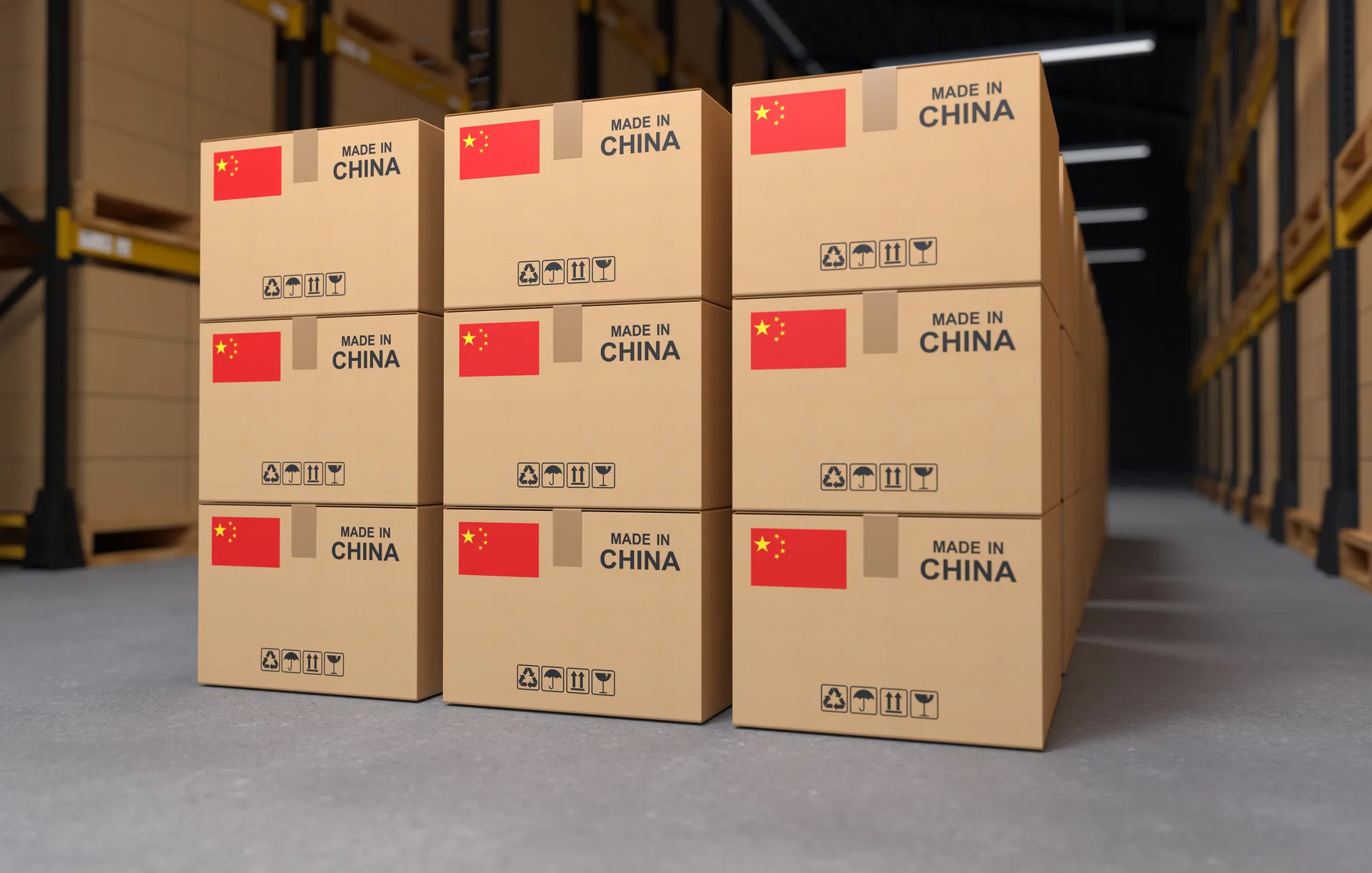
Importing from China, done well, gives you access to a huge range of products at competitive prices. But most problems start before the cargo leaves, at the ordering stage: the wrong supplier, unclear delivery terms, an overlooked duty or a missing certificate. This article pulls together the main points to check when importing from China into Turkey, from before you order to final delivery.
1. Verify your supplier
Finding a supplier on an online platform is easy. Finding the right one takes work.
- Check the company registration. Confirm the legal name, business licence and address. Make sure the company on the invoice and the bank account you pay belong to the same entity.
- Manufacturer or trading company? Both can work, but knowing who you are dealing with shapes your expectations on price, quality and communication.
- Treat bank detail changes with suspicion. “Our bank account has changed” emails are a well-known fraud tactic. Always confirm any change by phone with a known contact.
- Ask for references and track record. Asking which markets they already sell similar products to tells you how familiar they are with relevant quality standards.
2. Agree delivery terms: FOB or EXW?
Incoterms define where costs and risks pass from seller to buyer. Two terms come up most often with Chinese suppliers:
- EXW (Ex Works): The seller makes the goods available at its own premises. Loading, inland transport in China and export clearance are the buyer’s responsibility. Because this is hard to manage remotely, it is usually a risky choice for first-time importers.
- FOB (Free on Board): The seller delivers the goods to the port of loading in China, clears them for export and loads them on board. Main freight and everything after is the buyer’s. If you want to manage freight through your own forwarder, it is a balanced option.
Use our Incoterms tool to see which term fits your case. State the chosen term clearly in the proforma invoice and contract, with the named place (for example “FOB Ningbo”).
3. Samples and quality control
Asking for samples before a bulk order prevents disputes later.
- Approve and keep the sample. The approved sample is the reference for production. Photograph it and keep one if you can.
- Put the specification in writing. Attach dimensions, materials, colours, packaging and labelling details to the order.
- Arrange a pre-shipment inspection. Once production is finished, an independent inspection company can check the goods before loading, so defective cargo does not ship.
- Tie payment to the inspection. Making the balance payment conditional on a passed inspection report protects you.
4. HS codes, duties and anti-dumping
The key to calculating landed cost correctly is the product’s HS code, known in Turkey as the GTİP (the customs tariff code). Customs duty, additional charges and any required inspections all depend on it.
For goods of Chinese origin, pay particular attention to:
- Additional customs duty: Turkey applies additional customs duties on many products, varying by country of origin. For some Chinese-origin goods this can raise the cost significantly.
- Anti-dumping duties: Anti-dumping measures are in force on a wide range of Chinese-origin product groups, and they can amount to a substantial share of the product value.
- VAT and other charges: Freight and insurance are included in the tax base.
Rates change often, so confirm your product’s HS code and current duty burden with a customs clearance specialist or your customs broker before you order.
5. Product safety: TAREKS, CE and TSE
Some products are subject to product safety checks when entering Turkey. The Ministry of Trade carries these out through TAREKS, its risk-based trade control system.
- CE marking: Many product groups, such as toys, electrical equipment, machinery and personal protective equipment, require CE marking and the supporting technical documentation.
- Other conformity documents: Depending on the product, a TSE certificate or approval from other authorities may be needed.
- Get documents from your supplier upfront. Ask for declarations of conformity and test reports at the ordering stage, so your goods are not held at customs.
6. Plan the shipment: FCL or LCL consolidation
If your volume will not fill a container, LCL (less than container load) shipping lowers your cost by combining your cargo with others in the same box. If you buy from several suppliers, consolidating their goods at one point in China and shipping them together is another option.
Our article on FCL or LCL explains which suits you. Choosing the port of loading closest to your supplier with the widest choice of services keeps inland costs and lead times in China down.
7. Work around Chinese holidays
Two major holiday periods in China have a direct impact on logistics:
- Chinese New Year: In 2027 it falls on 6 February. Factories may run slowly for a few weeks before and after, and demand for space and freight rises ahead of the holiday. The official holiday schedule is usually announced towards the end of the previous year.
- Golden Week: Production and loadings slow down during this early-October holiday.
For orders that overlap these periods, bringing production and loading forward by a few weeks is the safest approach.
Frequently asked questions
I’m importing from China for the first time. Which Incoterm should I choose?
In many cases FOB strikes a good balance between control and convenience: the seller handles everything in China, and you control the main freight. The right choice still depends on your product and supplier.
How do I find out the duty rate for my product?
First you need the correct HS code. Then your customs broker should check the current customs duty, additional customs duty and any anti-dumping measures.
Is a pre-shipment inspection mandatory?
It is not a legal requirement, but it is a strong safeguard, especially with a new supplier or a high-value order.
Should I insure my cargo?
On a long sea voyage, cargo insurance against damage and loss is recommended. Agree upfront who arranges the insurance under your chosen delivery terms.
At Medius we plan your sea freight from the port of loading in China to your door, together with customs coordination. Fill in our quote form for your next order.